
Signs for Hearing Loss
Understanding Hearing Loss – A Simple Guide by an Audiologist
How Hearing Loss Affects You
- Struggling to hear others can cause stress and frustration.
- People with hearing loss may feel annoyed because conversations are unclear.
- Many feel embarrassed or avoid social situations due to difficulty understanding speech.


Common Symptoms of Hearing Loss
- Asking people to repeat themselves often.
- Difficulty following group conversations.
- Sounds seem muffled or unclear.
- Struggling to hear in noisy places.
- Ringing in the ears (Tinnitus).
- Depending on lip-reading or watching faces closely while talking.
Health Conditions That Can Cause Hearing Loss
- Diabetes and heart disease.
- Poor blood circulation.
- Thyroid and kidney problems.
- Infections such as Meningitis, Mumps, Cytomegalovirus, Chickenpox, Severe jaundice, and Ear infections.
- Exposure to loud noise for a long time or sudden loud sounds.
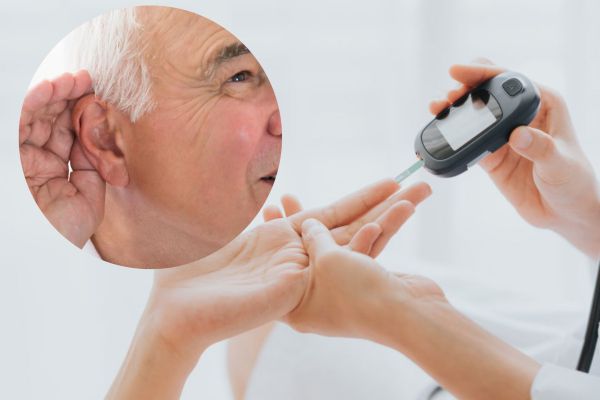

Why Early Treatment is Important
- Hearing is essential for daily communication and overall well-being.
- Consult an ENT specialist or Audiologist to find the cause of hearing loss.
- Outer or middle ear issues can often be treated with medicine or surgery.
- Inner ear problems may require hearing aids to prevent further hearing decline.
Choosing the Right Hearing Aid
- Not all hearing aids suit every type of hearing loss.
- Compare different features before selecting one.
- Consult an Audiologist for expert guidance.
- A good-quality hearing aid improves hearing, confidence, and quality of life.

Reach Us at
Following Centers
CRYSTAL HEARING SOLUTIONS
CRYSTAL HEARING SOLUTIONS
CRYSTAL HEARING SOLUTIONS
CRYSTAL HEARING SOLUTIONS
FAQs
Yes, many people with hearing loss can still enjoy music, especially if they use hearing aids or cochlear implants. In some cases, people may prefer certain music genres that suit their hearing abilities.
Treatment options vary based on the cause and severity:
- Hearing aids can help amplify sound for most types of hearing loss.
- Cochlear implants may be an option for severe hearing loss.
- Surgery or medications may be necessary for certain conditions,
such as fluid buildup or ear infections. - Assistive listening devices like FM systems or amplified telephones
can also help.
It depends on the cause.
Permanent: Sensorineural hearing loss (inner ear damage) is often irreversible.
Temporary: Conductive hearing loss (due to ear infections, fluid, or blockages) may be treatable.
Yes, some measures can help prevent hearing loss, such as:
- Wearing ear protection in noisy environments.
- Limiting exposure to loud sounds (e.g., headphones or concerts).
- Regular hearing check-ups, especially if you work in noisy
environments. - Avoiding ototoxic medications when possible.
Signs of hearing loss include:
- Difficulty understanding speech, especially in noisy environments.
- Frequently asking people to repeat themselves.
- Turning up the volume on devices higher than others.
- Ringing in the ears (tinnitus).
- Feeling that others are mumbling when speaking.
Hearing loss can be caused by various factors, including:
- Age-related changes (presbycusis).
- Exposure to loud noises (noise-induced hearing loss).
- Infections or injuries affecting the ear.
- Genetics or hereditary factors.
- Medications that can affect hearing (ototoxic drugs).
- Earwax buildup or fluid in the ear.
Yes, OTC hearing aids are available for mild-to-moderate hearing loss, but a professional evaluation is recommended for the best fit and effectiveness.
If you have hearing loss in both ears, using two hearing aids provides better sound localization and speech clarity.
Prices vary widely, ranging from a few hundred to several thousand dollars, depending on features and technology. Some insurance plans may cover part of the cost.